Dental Treatments To Treat Halitosis
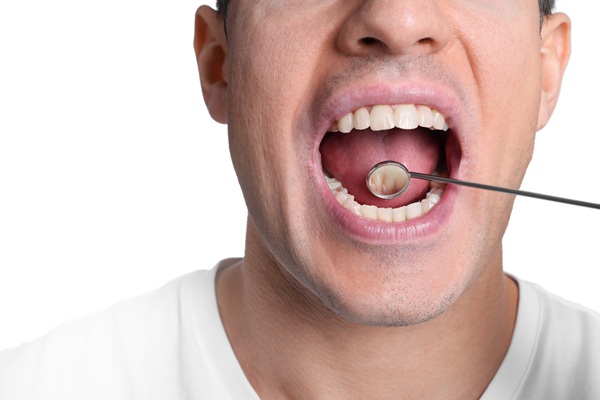
Halitosis treatment targets root causes, like gum disease or decay, to provide a path to fresher breath and a healthier smile. This approach addresses persistent bad breath at its source rather than simply masking odors. With the right treatment from a general dentist, patients can achieve lasting fresh breath and improved confidence in their daily interactions.
Halitosis: Common symptoms and causes
Halitosis is a common condition in which bad breath seems to persist no matter what the patient does. Common symptoms include a foul or unpleasant odor emanating from the mouth, which may be more noticeable to others than to the individual affected. A dry or sticky feeling in the mouth and a bad taste that does not go away are also common.
Halitosis causes vary widely, but the primary contributors often originate in the mouth. Poor oral hygiene allows food particles to remain trapped between the teeth, on the tongue, or along the gum line, where bacteria break them down and release unpleasant odors. Gums that have become infected with bacteria (gum disease) are another major cause, as these bacteria produce foul-smelling toxins. Other oral conditions, such as dry mouth, can worsen bad breath by allowing odor-causing bacteria to thrive.
Note that general health conditions, such as gastrointestinal issues, sinus infections, diabetes, or kidney and liver problems, may also contribute to halitosis. While dentists cannot treat these conditions, they can work with physicians to identify the source and develop an effective halitosis treatment plan.
Halitosis treatment options from a general dentist
A dentist offers a range of treatment options to address halitosis. The general focus will be on improving oral hygiene, eliminating bacterial buildup, and addressing any underlying conditions contributing to the problem. The specific treatment option recommended will depend on the root cause of the patient’s halitosis. For reference, common halitosis treatment options include:
Professional dental cleanings
One of the most effective ways to treat halitosis is through professional dental cleanings. During a cleaning, a dentist or hygienist removes plaque and tartar buildup from the teeth and along the gum line. If needed, they can perform a deep cleaning further beneath the gums called scaling and root planing. Both processes eliminate the bacteria responsible for bad breath and reduce the risk of gum disease, a common cause of halitosis.
Mouthwashes and rinses
Dentists may recommend therapeutic mouthwashes and rinses as part of a halitosis treatment plan. Unlike cosmetic mouthwashes, which only temporarily mask odors, therapeutic rinses target the bacteria and sulfur compounds that cause bad breath.
Mouthwashes containing antimicrobial agents, such as chlorhexidine or cetylpyridinium chloride, help reduce bacterial growth in the mouth. Additionally, rinses with oxygenating agents can neutralize sulfur compounds, which effectively eliminates the source of the odor. A dentist can provide guidance on the most effective products for long-term use beyond halitosis treatment.
Dietary changes
Dentists often recommend dietary changes as part of a comprehensive halitosis treatment plan. Foods high in sugar and carbohydrates can feed bacteria in the mouth that increase odor production. Therefore, it is recommended to limit sugary snacks and beverages as a way to prevent bacterial growth.
Similarly, certain foods, such as garlic, onions, and spicy dishes, are known for their strong odors that can linger on the breath. While these foods are not inherently harmful, having them in moderation and practicing good oral hygiene afterward can minimize their impact on breath odor.
Following a diet rich in fresh fruits, vegetables, and water can also help combat halitosis. Crunchy fruits and vegetables, such as apples and carrots, stimulate saliva production and naturally clean the teeth. Drinking water consistently throughout the day keeps the mouth hydrated and helps flush away food particles and bacteria.
Prescription medications
For persistent halitosis that does not respond to over-the-counter solutions, dentists may prescribe medications to address the underlying cause. For example, in cases involving dry mouth, a dentist may recommend salivary stimulants or substitutes to restore moisture in the mouth. These medications help maintain a healthier oral environment, reducing bacterial growth and the odors associated with it.
Ask a general dentist about halitosis symptoms
Halitosis is often a sign of an underlying issue that requires professional attention. A dentist can provide a thorough evaluation, determine the root cause of the problem, and recommend a personalized treatment plan to restore fresh breath and restore oral health. Take the first step toward fresher breath, and schedule a consultation with our team at Davis & Dingle Family Dentistry.
Request an appointment here: https://davisanddingle.com or call Davis & Dingle Family Dentistry at (803) 567-1804 for an appointment in our Columbia office.
Check out what others are saying about our services on Yelp: Halitosis Treatment in Columbia, SC.
Recent Posts
Minor to moderate teeth stains can be removed with professional teeth whitening. However, to achieve ideal results, there are certain things to avoid after treatment, such as foods and drinks that can cause stains. The following overview discusses five things you should avoid to keep your smile bright after teeth whitening treatment.You can reduce the…
The potential side effects of teeth whitening include teeth sensitivity, gum irritation, and ineffective results. However, most patients do not experience any notable side effects from professional teeth whitening, as the dentist can monitor the process and perform treatment in a way that minimizes risk.Dentists take every precaution possible to minimize the risk of teeth…
Dental restorations can fail. Seeing your dentist right away can help correct the situation if it happens. Your restorations may need replacements already. Routine dental visits allow your dentist to check your restorations and schedule the next appointment for the re-treatment. If you want to know what happens when dental restorations fail, here are the…
Professional teeth whitening sessions can get you the white set of teeth you have always wanted. It involves using products that contain whitening agents like hydrogen peroxide and hydrogen carbamide to oxidize stains and remove them. What is the difference between professional teeth whitening treatments and the countless products sold at drug stores, you ask?…