Aftercare for Your Smile Makeover: Missing Teeth Treatments

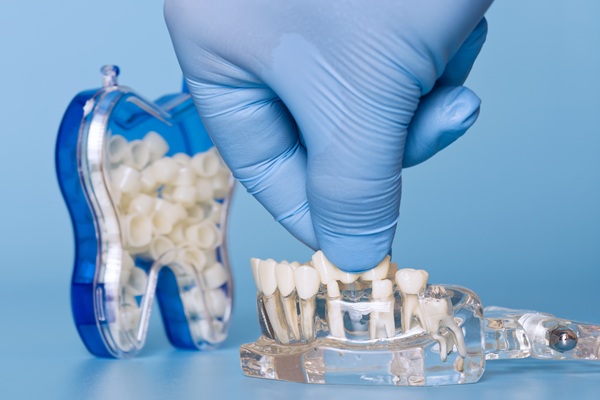
When a permanent tooth is lost or damaged beyond repair, a smile makeover can provide various replacement options. Depending on the type of damage and the state of the patient's oral health, implants, crowns, bridges or partial dentures may be recommended. The recovery and aftercare required for tooth replacement differ based on the type of treatment plan suggested by the dentist.
Caring for a tooth replacement treatment
Before a dentist begins any type of smile makeover procedure, specific instructions for recovery, home care and follow-up appointments are discussed. These may vary depending on a person's needs or the extent of the dental work.
Crowns
When the root of a damaged tooth remains healthy and intact, crowns may be used to replace the exposed tooth. The natural tooth is reshaped to accommodate the new cap. A synthetic tooth covering, typically crafted from porcelain or ceramic, is cemented in place over the remnants of the natural tooth. Some can also be reinforced with metal if needed.
Crowns do not require any specific type of cleaning or home care other than normal brushing and flossing. Most dentists recommend rinsing daily with an antibacterial mouthwash to prevent decay or gum disease near the base of the crown. Recovery is usually low-key, with patients experiencing some sensitivity and soreness for a few days after the procedure. However, normal eating and drinking habits can resume right away.
Bridges
For a tooth that is missing completely, a dental bridge addresses the issue with methods similar to crown treatments. The synthetic tooth is attached to adjacent healthy teeth, forming a single, unified structure. Because of the nature of the finished product, certain steps must be taken to keep the area healthy and clean.
Like crowns, bridges may cause some discomfort immediately following the procedure. Fortunately, this tends to ease off in a few days. When brushing and flossing, patients must take extra care to clean below the bridge. Floss threaders and proxabrushes are designed to help clean dental work that requires this type of attention.
Implants
Dental implants provide long-lasting and realistic results for missing teeth. For this type of smile makeover, a small metal rod is inserted and fuses to the jawbone as it heals. Once the healing process is complete, a replacement tooth cap is attached to the exposed rod.
Due to the multiple-step nature of implants, recovery is lengthier than other methods. Patients typically experience some pain after having the rod installed. However, this subsides with healing. Traditional brushing and flossing are all that are required to care for dental implants.
Partial dentures
These custom dental appliances are designed to fit a patient's palate and remaining teeth for a cohesive look. Because this type of treatment is removable, it should be cleaned according to the dentist's instructions, which will vary based on the materials used in the device. Products designed to brush and soak dentures must be used for proper cleaning and storage.
Conclusion
All dental work should prompt patients to maintain excellent oral hygiene and regular checkups. However, different smile makeover treatments may require specific aftercare. A dentist can offer more guidance on how to properly care for treatment.
Request an appointment here: https://davisanddingle.com or call Davis & Dingle Family Dentistry at (803) 567-1804 for an appointment in our Columbia office.
Check out what others are saying about our services on Yelp: Read our Yelp reviews.
Recent Posts
Dental bridges can replace missing teeth effectively and often without needing surgery. Not only will this restore the smile, but it also helps patients avoid the negative oral health effects of missing teeth. A general dentist can determine whether a patient is a good candidate for bridges in a consultation. However, learning the basics can…
Regular visits to a dental practice provide essential care for achieving and maintaining optimal oral health throughout a patient’s lifetime. Beyond treating immediate dental concerns, a dental practice emphasizes preventive care, patient education, and tailored treatments designed to safeguard oral health for years to come. Understanding the role of professional dental care underscores the importance…
A dental practice can help when a toothache starts. Tooth pain can come on slowly or all at once, often worsening if left untreated. Even if the pain feels small, it may be a sign of a bigger problem. Getting help early can stop the pain and protect the tooth from more damage.A dental practice…
A visit to a cosmetic dentist is the first step in improving your smile. These dental professionals offer a range of services designed to enhance the appearance of teeth, gums, and bite alignment. Whether you want to remove stains, reshape teeth, or create a more symmetrical smile, the process starts with a thorough consultation and…