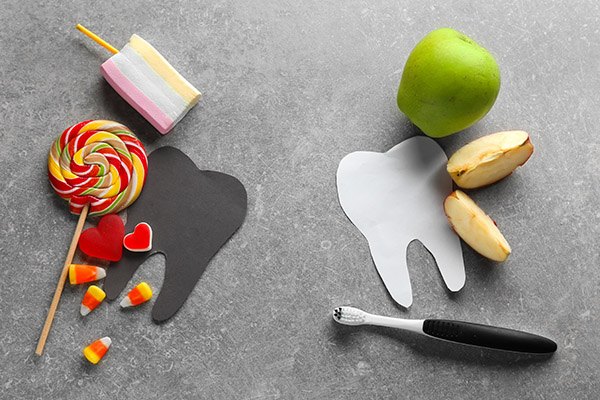
As part of a dental practice, a dentist educates patients on healthy eating. When it comes to eating right, most people think of dieting or getting the body healthy. However, what you put into your body also has a direct effect on the health of your gums and teeth. Even people who have their teeth checked regularly do not understand the importance of eating good foods.
Beyond cleaning and filling cavities
A dental practice does a lot more than just clean teeth and fill cavities. These clinics also spend time teaching patients about things they can do at home to keep their mouths healthy. Some of the good foods help the mouth produce adequate saliva. Not only does that wash away food particles, but it can also prevent a condition called dry mouth.
Foods considered good for healthy teeth
These foods, plus many others, keep teeth strong. They clear out food particles that can lead to a buildup of plaque. That bacteria then produces an acid that eats away at the tooth’s enamel. With healthy teeth and gums, people will have fewer reasons to visit a dental practice. These foods include:
- Yogurt
- Cheese
- Lean proteins
- Nuts
- Apples
- Leafy vegetables
- Carrots and celery
- Black and green teas
Breaking it down
Dairy products, including yogurt, cheese, and milk, increase saliva production. However, dairy products are also high in protein and calcium that make teeth strong. Another benefit is that dairy contains probiotics, a type of good bacteria that aids in the digestive process. The key is to choose dairy foods low in sugar to avoid cavities and tooth decay.
Leafy greens, as well as some fruits and vegetables, are beneficial to teeth. Greens contain lots of minerals and vitamins that produce saliva, keeping the mouth clean. The same goes for eating carrots, celery, and apples. Also, the crunchy texture works to remove food particles stuck on teeth.
Then, there are lean proteins, nuts, and teas, which have plaque-fighting properties. A dental practice teaches patients that meat, poultry, fish, and even tofu contain high levels of protein and phosphorous. Dentists recommend nuts since they too contain protein and calcium. Similar to crunchy fruit, nuts also remove plaque from the surface of teeth.
Avoid bad foods
Not only does a dental practice educate patients about the right foods to promote healthy teeth but also the bad ones to avoid. Anything overloaded with sugar, including candy, cookies, cakes, pies, and so on, is a definite no. People should also limit the amount of citrus consumed because of acidity. In particular, lemons and grapefruit can cause damage to teeth enamel. Pickles also make the bad list because of their acid content.
Learn from a dental practice
At home, you can achieve and maintain healthy teeth and gums. It starts with brushing and flossing after every meal. You should also rinse with a mouthwash that contains fluoride. Then, eat the right foods, and you will benefit greatly. Of course, visiting a dental practice every six months is essential to healthy gums and teeth.
Recent Posts
Regular dental checkups are the key to good oral health, as they prevent potential dental problems before they become more serious. Visiting a dental practice not only helps maintain the health of the teeth and gums but also contributes to overall well-being. Knowing what to expect before visiting a dental practice for a routine checkup…
Teeth grinding, also known as bruxism, is a common problem seen in dental practices. In fact, many people have this condition and do not realize it because it tends to happen while sleeping. Over time, this habit can damage teeth, cause jaw pain, and lead to other problems, making getting the right treatment crucial.Even though…
Dental practices continue to serve as reliable sources of information for individuals seeking to maintain optimal oral health. However, myths often cloud the decision-making process related to daily care, recommended procedures, and overall dental well-being. Davis & Dingle Family Dentistry seeks to debunk the five most common dental myths to help people regain control over…