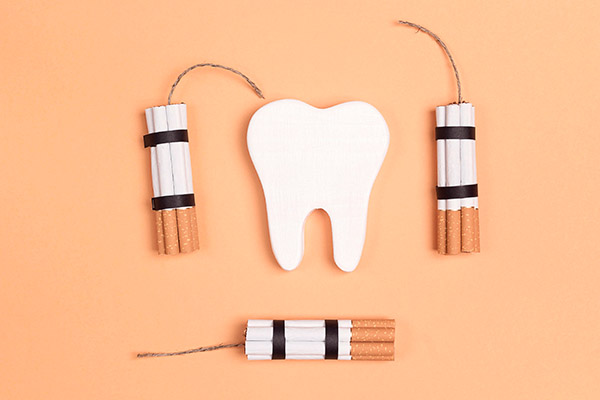
Many times, a dental practice will recommend avoiding smoking because of the negative effect on the teeth. Smoking can lead to many dental issues. Having a healthy smile is critical, but smoking can reduce the patient’s ability to do so. Keep reading to learn more about tobacco and the teeth.
The effects of smoking
Tobacco and smoking can stain the teeth and cause bad breath. They can also result in a reduced sense of taste. In some cases, smoking will prevent the patient’s ability to recover from an injury or surgery. The reason for that is that smoking can reduce the effects on the immune system.
Since the immune system might not function, smoking might make a patient more susceptible to gum disease. The condition results in inflammation around the teeth. That irritation might also affect the patient’s bone or supporting structures. In the advanced stages, the teeth might come out.
Another reason to quit the habit is that it increases a patient’s risk of oral cancer. Cancer might be aggressive because of the many lymph nodes and blood vessels in the neck and head. That means cancer could quickly spread to the rest of the body. Patients who smoke might need to get oral cancer screenings from the dental practice.
Smoking can ultimately cause the teeth to decay. Since the resulting gum disease can cause the bone to deteriorate, it can be hard to restore the patient’s smile. Tobacco also causes the teeth to become discolored. The patient might also have gum recession as a result.
Avoid smoking
The dental practice has a critical role in helping patients stop smoking. Working with a dental practice can help improve the chances of successfully quitting. A patient usually sees a dentist more often than the primary care doctor. Because of these regular visits, the patient might be more likely to stop smoking. A dentist can create a trusted relationship with the patient and ask them about tobacco use. Plus, the dentist can motivate and educate the patient on why stopping is a good idea.
There are a few steps in quitting the habit. For example, the patient can create a date to stop the practice. Getting support from family and friends, as well as the dentist can be highly motivating. Some distractions, like using nicotine substitutes, might also be helpful.
Some patients choose to use over-the-counter or prescription medicines to fight the urge to begin smoking again. There will be some setbacks along the way. The good news is that seeking help can prevent a relapse. Then the patient can move on.
Talk to your dental practice about the effects of smoking
Smoking can result in bad breath and poor oral health. However, visiting your dentist is essential if you have the habit. The dentist can create a plan to help patients stop smoking. That will result in better breath and healthier teeth. Making an appointment is the patient’s first step toward a better smile.
Recent Posts
Visiting dental practices remains important for individuals seeking proper strategies to maintain clean teeth and healthy gums. Effective brushing and flossing habits prevent cavities and gum disease, contributing to oral comfort. While these techniques may appear simple, many people benefit from expert guidance to ensure thorough and gentle oral care. The following recommendations offer step-by-step…
Regular visits to a dental practice provide essential care for achieving and maintaining optimal oral health throughout a patient’s lifetime. Beyond treating immediate dental concerns, a dental practice emphasizes preventive care, patient education, and tailored treatments designed to safeguard oral health for years to come. Understanding the role of professional dental care underscores the importance…
A dental practice can help when a toothache starts. Tooth pain can come on slowly or all at once, often worsening if left untreated. Even if the pain feels small, it may be a sign of a bigger problem. Getting help early can stop the pain and protect the tooth from more damage.A dental practice…